
Two sheets of plywood can look identical in a shop and behave completely differently five years later. Whether you are building a wardrobe in Kathmandu or a kitchen in Biratnagar, these are the checks worth making before you buy plywood in Nepal.
1. Match the grade to the room
MR (Moisture Resistant) plywood is for dry interiors — wardrobes, beds, office furniture and panelling. BWR (Boiling Water Resistant) is for kitchens and utility areas. BWP (Boiling Water Proof), bonded with phenol-formaldehyde resin, is for sink units, bathrooms and anything that gets wet. Buying the wrong grade is the most common reason plywood fails.
2. Look for certification
A certification mark tells you the panel has been made and tested to a published standard. Ask which products carry it — Duro MR Grade Ply and Duro Block Board are ISI certified.
3. Check the core at the edge
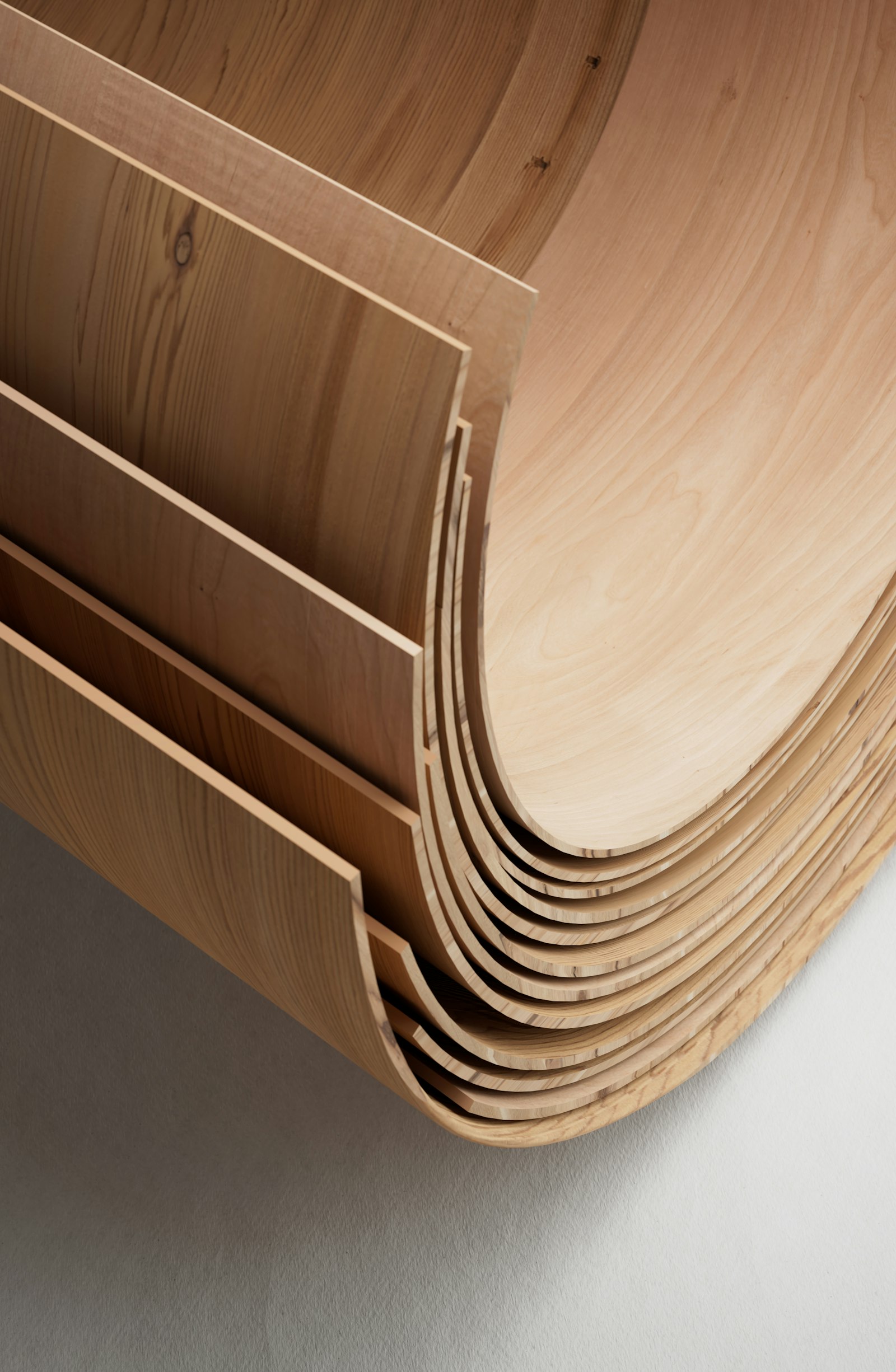
Look at the cut edge of the sheet. Good plywood shows even, tightly bonded layers with no gaps, overlaps or hollow spots. Gaps in the core mean weak screw-holding and sheets that can warp.
4. Measure the thickness
An 18 mm sheet should measure close to 18 mm. Under-thickness panels are a common way of cutting cost. Duro plywood is made from 6 mm up to 35 mm.
5. Ask about termite and borer treatment
In Nepal’s Terai and humid valleys, untreated wood attracts termites and wood-boring insects. Choose plywood and block board that is chemically treated against them.
6. Buy the brand from an authorised dealer
Look for the manufacturer’s name stamped on the sheet and buy from an authorised dealer, so you get genuine stock and after-sales support. Duro dealers are in Kathmandu, Biratnagar and Butwal — see the Find a Store page.