Most plywood problems on site are not failures of the panel. They are failures of specification: an interior grade used where water collects, or a premium grade paid for where it was never needed. Choosing the grade is the single most important decision in a plywood specification.
What the three grades mean
MR (Moisture Resistant) is made for dry interiors that see humid air but not liquid water — wardrobes, beds, office furniture, panelling and partitions. It handles monsoon humidity well, and it is the most economical choice for these spaces.
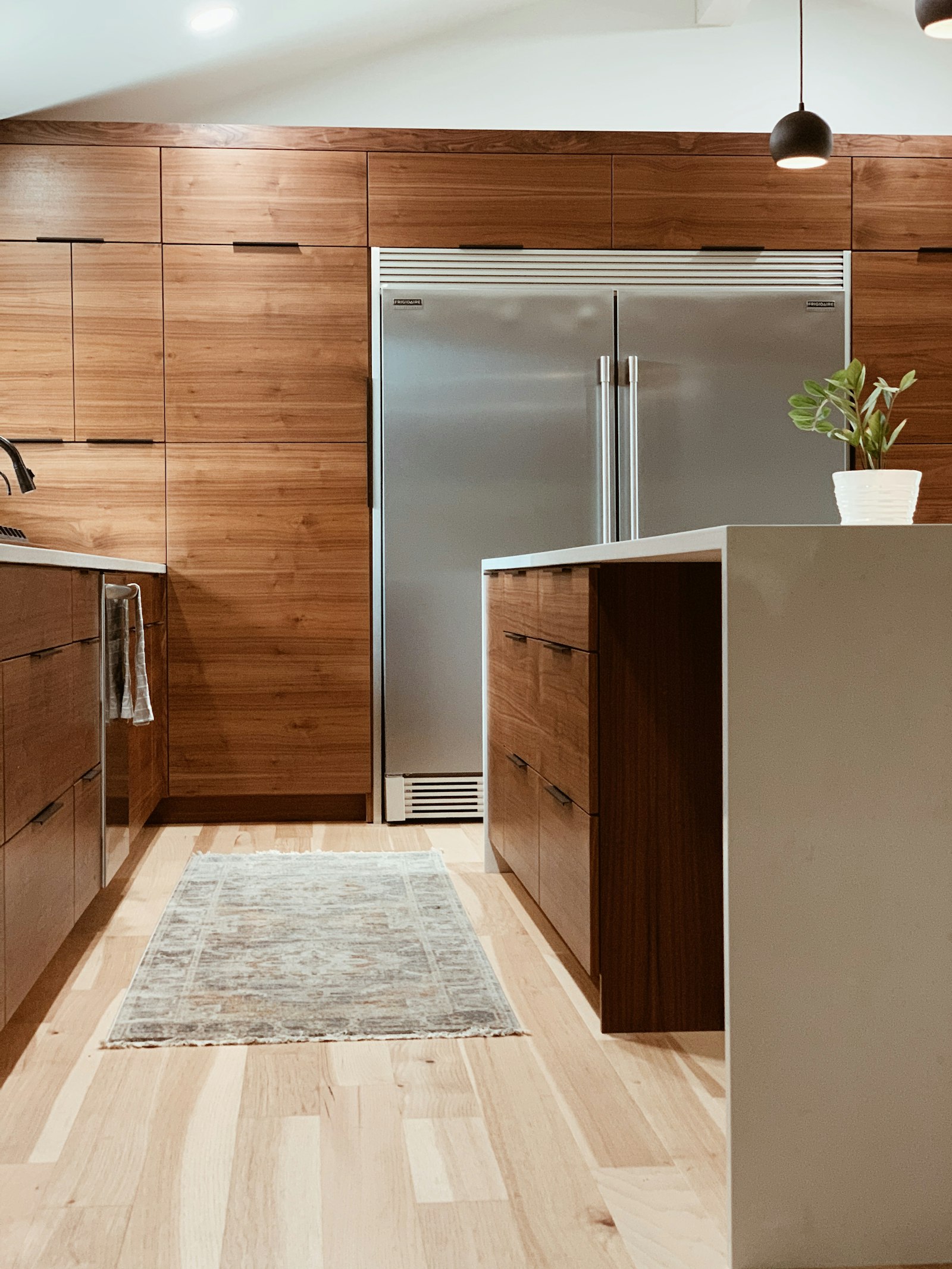
BWR (Boiling Water Resistant) is a step up for spaces with regular splashes, steam and cleaning — kitchen carcasses, utility rooms and furniture close to openings.
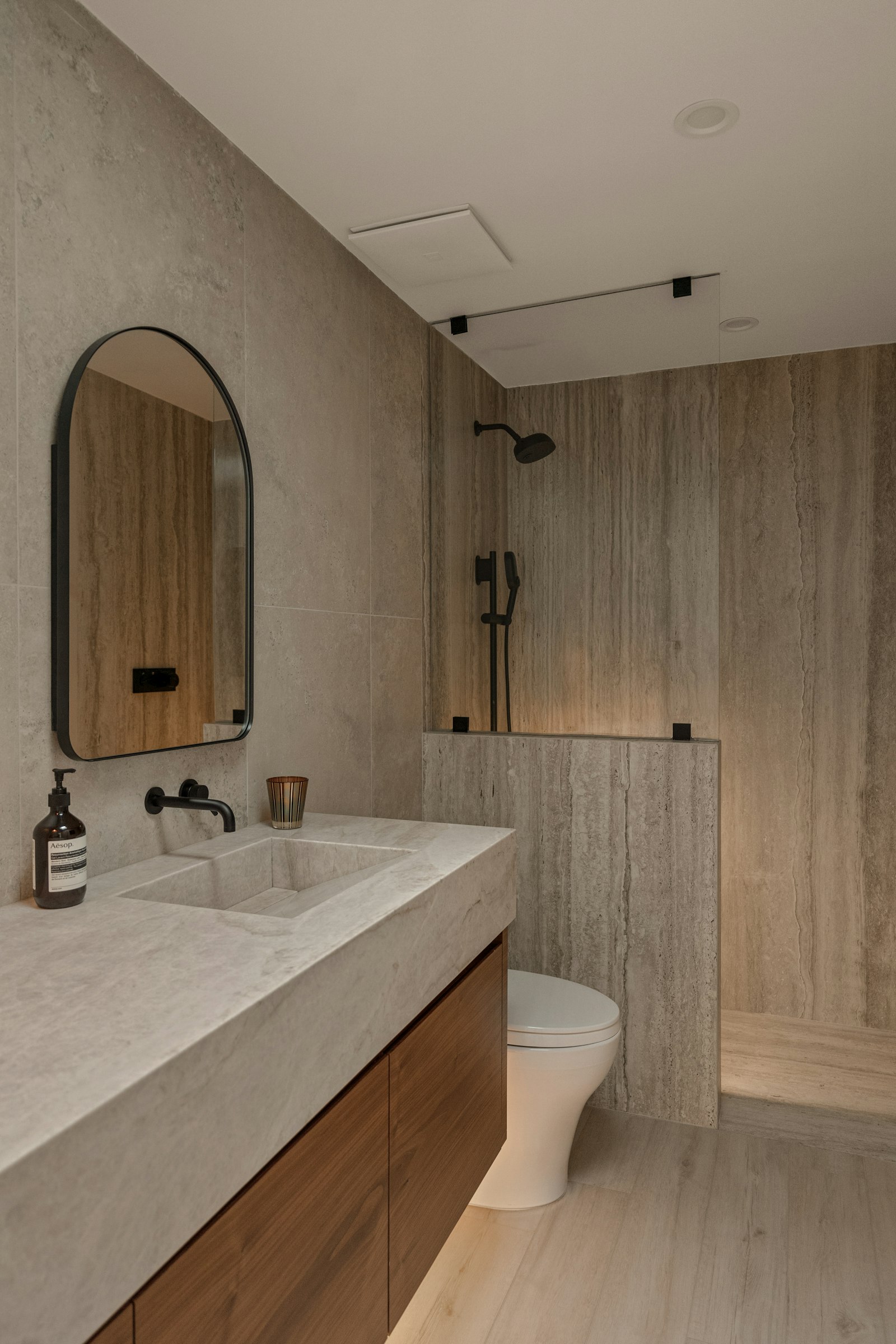
BWP (Boiling Water Proof) is bonded with phenol-formaldehyde resin, the most water-proof adhesive used in plywood. Specify it wherever water is a certainty rather than a risk: sink units, vanities, bathroom joinery, balconies and semi-open spaces.
A room-by-room rule of thumb
- Bedrooms, living rooms, offices — MR
- Kitchen carcasses and utility rooms — BWR
- Sink units, vanities, bathroom doors and exterior-facing joinery — BWP
- Long shelves and wide cupboard spans — block board, to avoid sag
Where specifications go wrong
The most common mistake is specifying a whole kitchen in one grade. The carcass under a hob and the base unit under a sink live in different conditions. Splitting the specification — BWR for the run, BWP under the sink — protects the project without inflating the cost of every panel.
The second is forgetting the edges. Every grade performs best when cut edges are sealed with edge-banding or a suitable sealer, especially in kitchens and bathrooms.
Getting it right on site
Write the grade, the thickness and the manufacturer into the drawing set, not just the BOQ. Our specification clauses for every grade are ready to copy on the Specify page, and our team will check a schedule on request.